Conservation & fieldwork
Conservation & fieldwork
Turn conservation photography into evidence, story, and action. Document wildlife, habitat, and environmental conditions. Connect your records to public stories, attribute support to conservation activity, and keep the work moving.
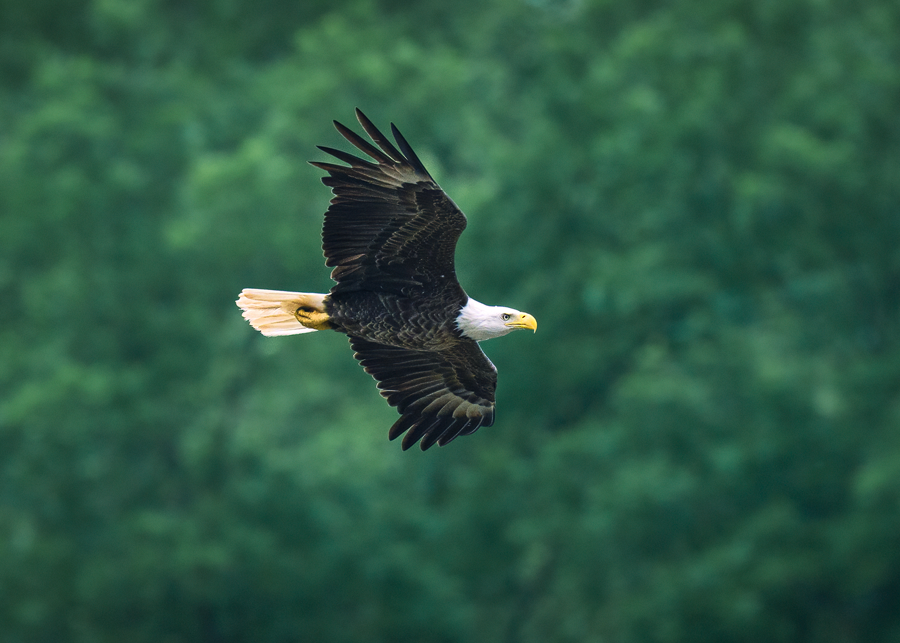
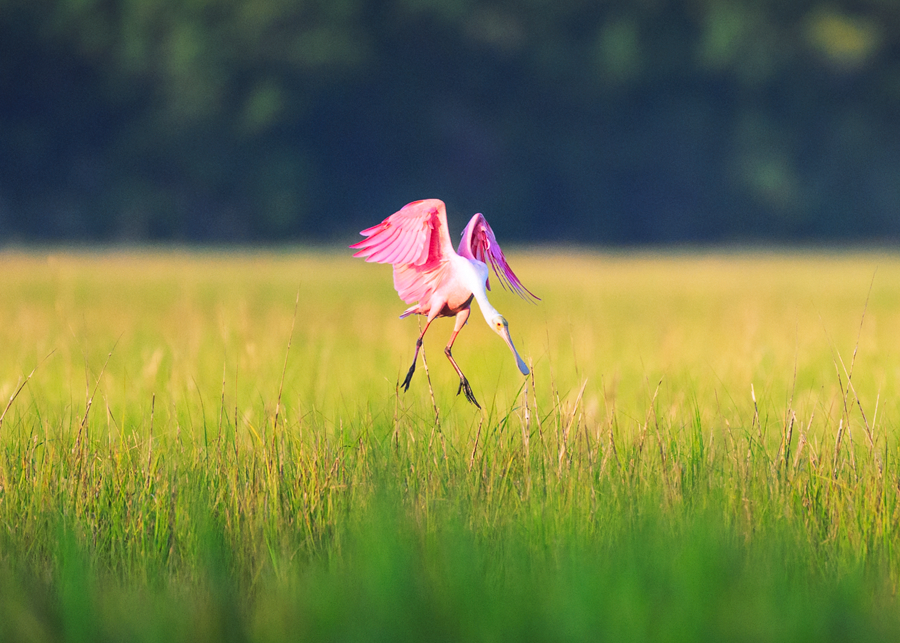
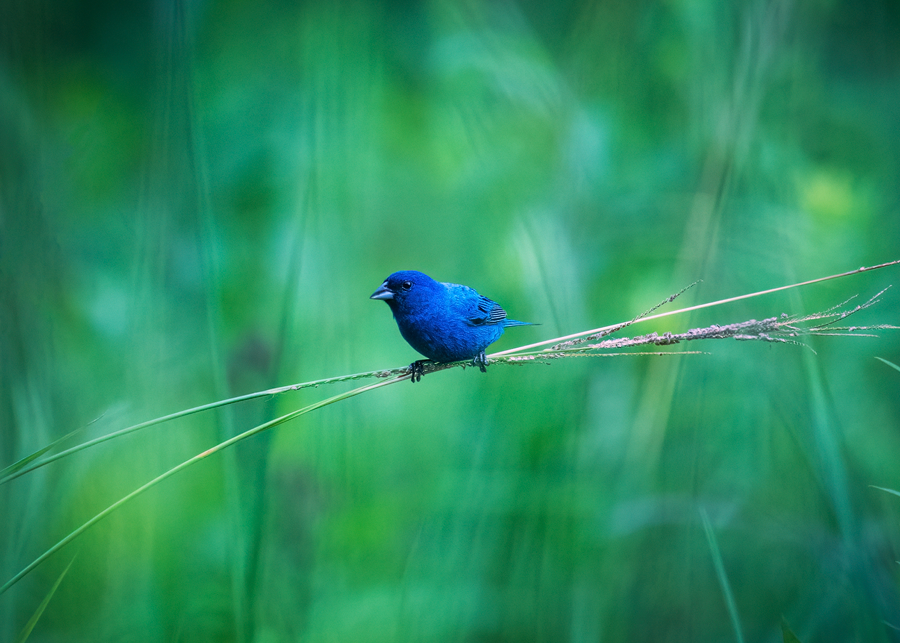
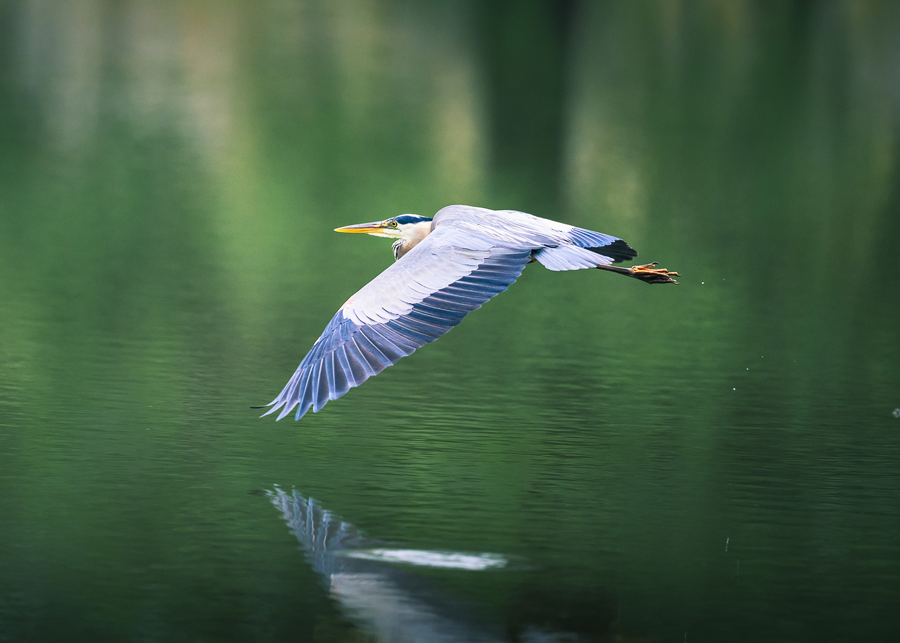
Fieldwork That Survives The Hand-Off
A photograph can prove that something was seen. It rarely proves what happened next. ArtInStack keeps the chain going: Capture structured evidence, Compose a public story, Attribute support to conservation activity, then Capture again as the work continues.
Capture
More than a gallery. Built for conservation storytelling.
Turn field photography into credible evidence, compelling stories, and direct support for the places you document.
Capture
Field observations, attached to the frame
Log species, dark-sky readings, water clarity, or habitat conditions right alongside your photographs, so every image carries the field context behind it. Your archive stays ready for public storytelling and scientific partners, without splitting the files.
Compose
Evidence people can examine
Pair photographs with documented dates, places, and field readings so readers, editors, and funders see the real conditions on the ground. Credible proof builds trust in what you documented.
Compose
Stories built on real fieldwork
Combine photographs, maps, field timelines, and campaign calls-to-action on your own site, turning an expedition into a living conservation story. Publish rich, data-backed narratives without maintaining a separate database.
Attribute
Transparent impact reporting
Tie funding and project milestones directly to documented fieldwork, and share clear, private Impact pages with donors and partners. Supporters see real progress backed by verifiable field activity.
Attribute
Photography that funds the work
Link print sales, licensing, or direct donations to active conservation campaigns, showing supporters the exact work their contribution helps sustain. Earn support from your photography without turning your archive into a generic stock site.
Publish
Share data with the scientific community
Export structured wildlife observations to global biodiversity networks like GBIF with full control over licensing, species privacy, and publisher credit. Your field records contribute to open science while you retain the rights.
From disconnected galleries to verifiable conservation impact
Most conservation photography breaks down between the field trip and the fundraising ask. ArtInStack keeps the chain connected from field to ask.
When the story breaks at the ask
- Scattered work: Photos in a gallery, species or sky readings in spreadsheets, field notes in a doc, and a donation link somewhere else.
- Sensitive locations exposed: Sharing a map means risking exact GPS coordinates because standard portfolio and fundraising tools lack privacy controls.
- Generic fundraising claims: "10% donated to Campaign X" with no visible connection to the actual fieldwork it funded.
- "Trust us, your money helped": Donors get a receipt, with nothing concrete to inspect afterward.
One connected conservation workflow
- Everything stays attached: Each photograph can carry its field context (species, readings, dates, and notes) from capture to publication.
- Safe, privacy-aware mapping: Share regional context publicly while keeping sensitive wildlife or site coordinates protected.
- Story-led fundraising: Publish your photographs, field timeline, and campaign ask together on one page so supporters see what they are backing.
- Attributable follow-through: Tie donations and print revenue directly to documented fieldwork and share a dedicated Impact page with supporters.
Built for open science
Node-endorsed publisher
Endorsed by GBIF-US as a data publisher in the network
EMDP
Environmental package path
EMDP direction for habitat and environmental records as protocols expand
Wildlife surveys prepare harvest-ready Camtrap DP packages and publish under an endorsed Organization via the GBIF Registry API. EMDP is the environmental package path as observation types expand.
Swipe sideways for more
One conservation workflow. Many systems underneath.
The conservation workflow is simple on the surface, with deeper systems underneath.
Capture
Turn field photography into structured evidence: survey, deployments, walkovers, and observation types for wildlife, dark sky, water, and land on the same media that powers your site.
Govern
Set Data Governance, public-after embargoes, and map privacy before you publish, so Evidence, Story, maps, and exports share one place policy for sensitive wildlife, habitats, and field sites.
Compose
Turn evidence into a public story with Evidence of Impact, Impact Maps, or a Conservation Story block in the same page builder you already use.
Attribute
Connect support to conservation activity with Impact Records. Allocate gifts toward fieldwork you can substantiate, share the donor Impact page, and keep claims limited.
Engage
Run volunteer days and workshops with Events Manager on your domain. Crew rosters stay separate from Survey → Observation records.
Publish
On wildlife surveys, export Camtrap for partners, or Prepare for GBIF and Publish under your endorsed Organization, then keep Capture moving as new fieldwork lands.
Survey → Deployment → Observation on the same media that powers your public site. Observation type chooses the form.
- Surveys & deployments
- Walkovers, leaf tagging, and project structure on one media graph.
- Observation types
- Wildlife, dark sky, water, and land on the same editor.
- Wildlife depth
- GBIF-backed names, IUCN status, counts, and organism IDs when the study is wildlife.
- Capability-gated chrome
- Field UI only when conservation is on the plan.
Marketing emails
The season ended. Email the people who followed it and tell them what you found.
Studio
Now
What we found this season.
Read the field note.
The field note
Write it as a page they can read, then send the link.
People who asked to follow the work
Subscribers, including people who gave.
What you can see afterward
The campaign shows how many went out and how many bounced. The subscriber list shows who asked to stop.
Continuity across the business
The difference isn't one feature. It's what happens when publishing, commerce, media, and delivery stop behaving like separate products or plugins.
Science lives in one tool; story on a website builder; money on a separate fundraiser
Capture → Compose → Attribute on one media library, with Impact Records when gifts need provenance
A campaign page that never inherits the field record, and never proves survey spend
Conservation Story for the public narrative; Impact Records for allocation you can substantiate
GBIF is a vague future intention after the fundraising season ends
On wildlife surveys, Prepare, stage, and Publish under your endorsed Organization from the same workspace
Ready when you are
Compare plans, then bring this surface online with the rest of your creative operating system.